Alnoor Center for Preserving Cultural Heritage at Alnoor University Holds a Lecture on Cultural Heritage Preservation Techniques
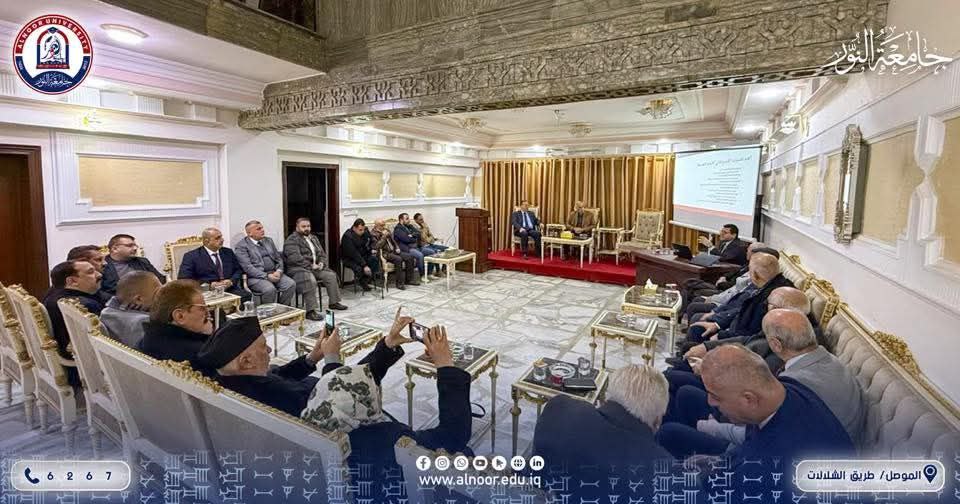
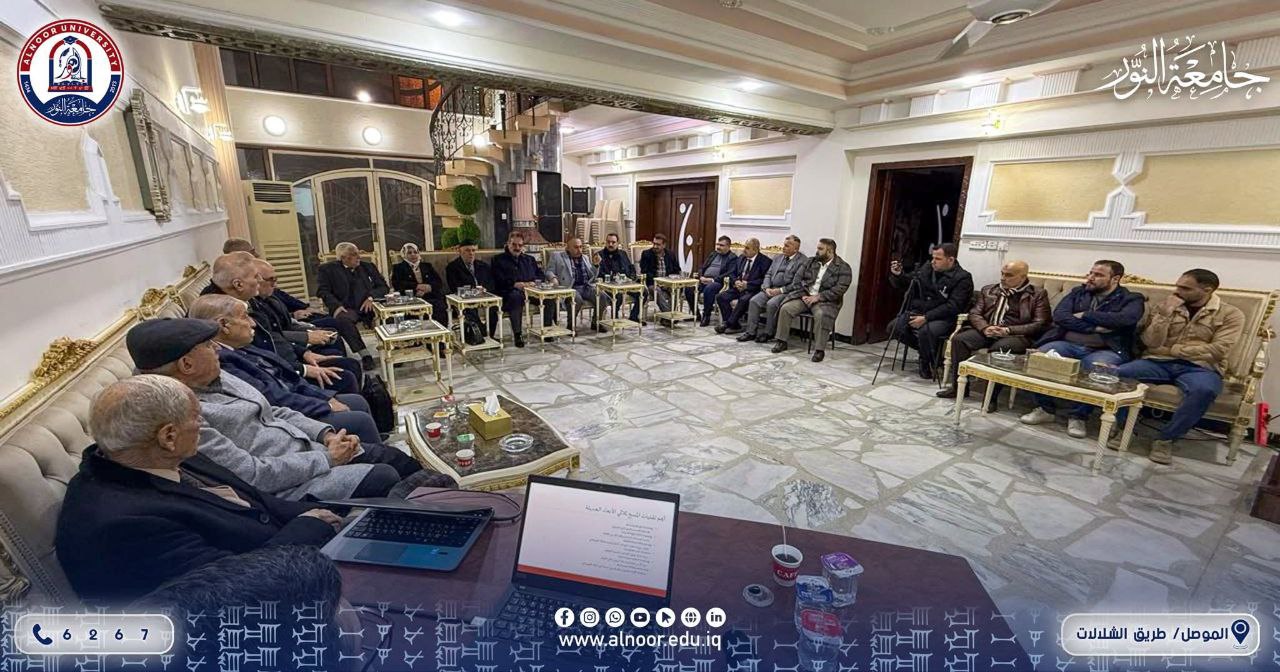
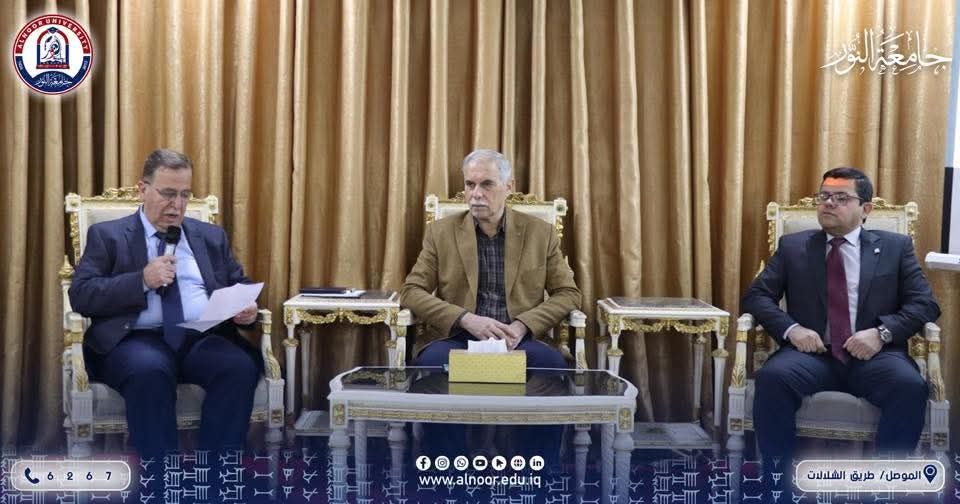
Alnoor Center for the Preservation of Cultural Heritage at the University of Alnoor, in partnership with the Alfajr Alhadbaa Francophone Foundation for Culture and Education, held a scientific lecture on Wednesday, January 21, entitled:
Techniques and Methods for Preserving Cultural Heritage,” as part of the series of dialogue sessions held on the occasion of World Education Day 2026, under the slogan:
Culture and Technology: New Horizons for Communication
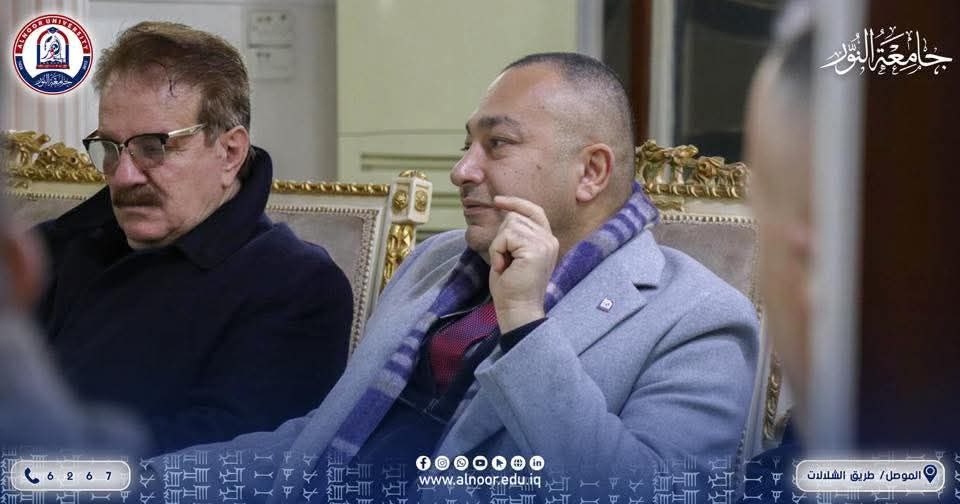
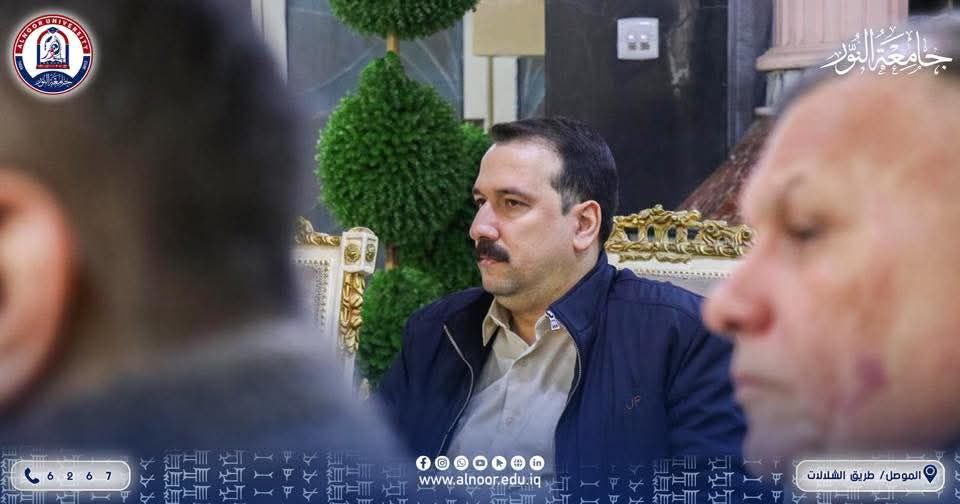
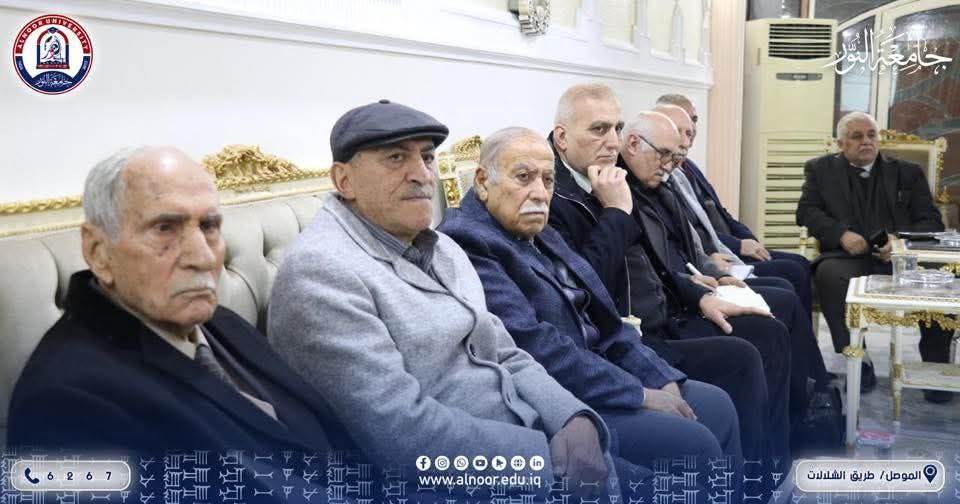
Moderated the discussion session Dr. Mohammed Zuhair Zaidan,Director of Cultural Relations at Alnoor University, in the presence of Prof. Dr. Ismail Abdulwahhab Ismail ,Assistant President of the University for Scientific Affairs;Professor Dr. wael ali ahmed ,Dean of the College of Law at College of arts,Prof. Dr. Ahmed qasim abdullahHead of the Department of Archaeological Tourism, along with Dr. nabil nooraldeen husseinDirector of Alnoor Center for Preserving Cultural Heritage
The event also witnessed a scholarly contribution from Alnoor Center, presented by Dr. Jasim Alkhashab, in which he addressed the role of the Center in documenting, preserving, and digitizing Iraqi cultural heritage. The presentation focused on the adoption of modern technologies and academic approaches in safeguarding both tangible and intangible heritage, and linking it to education and scientific research.
Dr. Nabil Nour Aldin Hussein also delivered a presentation addressing Alnoor University’s pioneering role in preserving the Iraqi cultural heritage, and its contribution to establishing the first academic department of archaeological tourism in Iraq.
Mosul Heritage Foundation also participated, represented by Consulting Engineer Fares Abdul Sattar, who presented the Foundation’s experience in employing digital and engineering technologies to preserve architectural heritage and promote it at both the local and international levels.
The lecture emphasized the importance of integrating education, culture, and technology in protecting cultural heritage and transforming it into a knowledge-based and developmental resource that contributes to strengthening cultural identity and building a sustainable cultural economy, particularly in the city of Mosul.
 English
  Arabic