يقع على عاتق قسم الارشاد الجامعية العديد من المهام هي:-
1- Planning, monitoring, and coordinating all psychological and social activities and programs implemented at the university, whether by the Ministry of Higher Education or any other government or private entity.
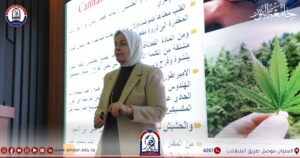
2- Organizing awareness seminars on the latest psychological methods in psychotherapy and appropriate and quick problem-solving techniques.
3- Conducting seminars and lectures for faculty members to raise awareness about each stage of student development, including the physical, mental, psychological, social, and educational needs of students at each stage, to better understand their psychological conditions.
4- Preparing an informational booklet for college unit heads, with one version for students and another for faculty and staff, explaining productive work methods.
5- Field visits to colleges to monitor the progress of the counseling work and identify related problems.
6- Establishing an annual database of psychological problems faced by university members, allowing for statistical analysis of the most common student issues, considering academic specialization, gender, social status, and academic levels.
7- Creating a liaison with student discipline committees, investigative boards, and the administrative student affairs team in colleges to understand the causes and nature of issues, as well as the legal methods that either align with or differ from the counseling reforms for students and university staff.
8- Establishing a link with mental health centers and hospitals for psychological and neurological emergencies requiring intervention.
9- Periodically evaluating the activities of unit heads in the colleges and implementing a system of rewards and penalties.
10- Setting up an online consultation platform accessible via a student password.
11- Allocating a space as a psychological clinic and raising awareness among students and staff about a place at the university where psychological, behavioral, and educational assessments and tests can be conducted using prepared and approved forms. These forms are distributed to staff and students to identify the problems they face and determine treatment mechanisms.
12- Assisting new students in adapting and integrating quickly and smoothly into the university environment by introducing them to the division's services and coordinating with student affairs to meet their needs.
13- Developing an annual plan for educational and psychological counseling in the college, with sufficient space allocated for implementing its programs.
14- Appointing a psychological counselor for each academic year and supervising the Psychological Counseling Division in student dormitories.
15- Identifying the most common psychological and behavioral issues among all university members (students, faculty, staff, and workers) and providing prompt assistance through counseling sessions based on scientific principles.
16- Studying psychological and behavioral problems from the perspective of the individuals experiencing the issue and from the viewpoint of the educational counselors assigned to the colleges.
17- Developing individual care and safety plans, with reciprocal development and shared monitoring with the beneficiaries.
18- Monitoring the ongoing development of care plans, paying special attention to preventive psychological measures.
19- Following up on cases handled by various institutions to ensure continuity of service delivery and the success of interventions.
20- Providing individual counseling to students facing minor behavioral, social, educational, or psychological problems, with the aim of preventing the issue from escalating. The counselor will be available in the office to provide individual guidance.
21- Continuously monitoring students' academic performance through course coordinators and department heads to identify academic difficulties.
20- يتابع حالات الغياب المتكرر للطلبة المحالة من قبل قسم التسحيل و دراسة حالات التعثر الأكاديمي ومعالجتها بشكل منفرد.
21- Offering counseling services to students to help them develop their personalities and acquire essential skills to face problems.
24- Organizing seminars and lectures addressing student issues with preventive and developmental objectives.
25- Utilizing university activities to help students develop their skills and interests, thereby guiding them in making career decisions for their future.
26- Respecting the privacy of students' personal and confidential information shared with the counselor, allowing them the freedom to choose their educational counselor.
27- Assisting students in self-discovery by helping them realize their abilities, readiness, interests, and skills, and understanding the problems they face, regardless of their nature.
28- Helping students understand their material and social environment, including its strengths and limitations, and enabling them to utilize their potential and available resources to set realistic academic goals and plan properly to achieve them.
29- Enhancing students' decision-making abilities.
30- Promoting student well-being by helping and training them to solve their problems independently.
31- Developing students' ability to engage in dialogue, consultation, and expressing opinions freely and responsibly.
32- Empowering students to improve, adapt to unexpected changes, and strive for positive change.
33- Gathering information on students with physical and health problems, documenting them in special records, and coordinating with administrative and educational authorities to help these students adapt to university life.
34- Providing consulting and counseling services to both the administrative and educational bodies on issues related to student behavior in the classroom.